

Reposted from:
“The Secret Life of Pigs” Hedgepig Ensemble Theatre’s March 2021 blog.
March 2021
Hello Hedgefriends!
This month we move the spotlight to one of our extraordinary ensemble members, Desirée Baxter.
It’s been a year since our lives moved into our homes, and in this blog Desirée examines the reality with which both Hedgepig as a company and artists as whole have had to come to grips.
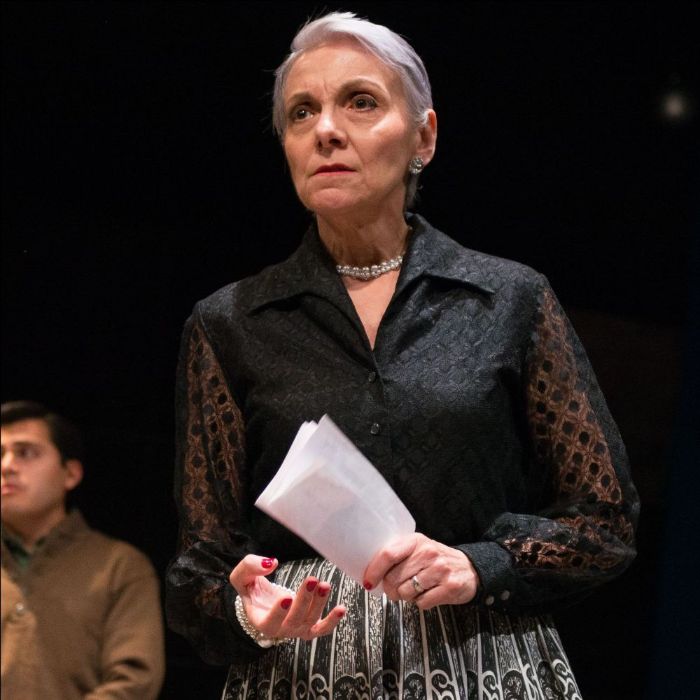
“Plans and Provisions”
Amanda: …the future becomes the present, the present the past, and the past turns into everlasting regret if you don’t plan for it! – The Glass Menagerie, scene five
As the “pause” approaches the one-year mark, theatre-makers find themselves yearning for the good old days and eager to get back to normal. We are nostalgic for those decrepit black boxes where we valiantly launched our latest creative endeavor. But like Noah emerging from the ark, we have no idea what we’ll find when we pop the hatch and step on dry ground.
When Nostalgia Was a Disease
The word “nostalgia” was coined to describe a form of mental illness, from the Greek nostos (homecoming) and algos (ache or pain.) It was first described as a psychological disorder in the 17th century among Swiss mercenaries fighting in foreign wars. It was a debilitating form of melancholia. Sailors and soldiers displayed symptoms ranging from headaches and loss of appetite to fevers and death (not unlike pandemic-induced depression.) Treatment could be anything from a ration of wine (homeopathic) to being buried neck-deep and taunted (middle school nightmare.)
Apparently, nostalgia is a coping mechanism used since ancient times. Odysseus dealt with battle fatigue by reminiscing about his wife and children. Pleasant memories of the past can make a dismal, seemingly unending present tolerable. But it can become a pathology when it romanticizes the past. If the Black Lives Matter movement has taught us anything, it is that a nostalgic reading of history comes at our peril.
We made some great theatre in the old days but need I bury you up to the neck in sand and remind you of the holding rooms where we sat on the floor for hours, waiting to do two contrasting monologues (total audition time not to exceed 2 minutes please!) Or the freezing/sweltering rehearsal halls that “smell funny” and have a support pillar where center stage should be. Or the black boxes that were last cleaned during the Clinton administration, and were graciously accommodated with a single working toilet for the cast, crew AND audience. Or, in my case, moving from space to space dragging my office, closet, salon and library behind me in a rolling backpack I dubbed the “dead pig.”
“You’re on Mute”
We have spent the last twelve months learning new skills, new software and testing the limits of technology. We’ve all become improv artists because a pandemic, broadband, climate change and American politics have taught us that anything can happen. But we’ve persevered and discovered new techniques and new audiences.
Past: A year ago Hedgepig was an ensemble based in Brooklyn, drawing an audience primarily from the five boroughs.
Present: Thanks to “Expand the Canon” and our search and advocacy for classic plays by women, we have fans nationwide.
Future: How will we embrace our actual and virtual audiences, individually and collectively and thrive?
Now the question arises – how do we make the “plans and provisions” Amanda Wingfield suggests? I certainly don’t want to abandon that far-flung virtual audience and I don’t want to endanger the health of the local actual audience in a cramped, improperly ventilated performance space. Now I need a hybrid. What do I jettison?
What do I add to my virtual and actual rolling “dead pig?”
Eat-in or Take-out?
There is nothing as magical as creating live theatre for people sharing your physical location. The gasp or the giggle, the shifting in the seat or the stillness changes the molecules in the room. How do we give the virtual audience an actual experience?
But there is a democracy in Zoom. All the boxes are equal in size. It is two-dimensional, which means there is no foreground or background. And unlike film, the viewer rather than an editor decides whether to focus on the speaker or the listener from moment to moment. How do we stage live theatre to give that power to our actual audience?
The actual audience enters a space the ensemble has created. But the formula is reversed with a virtual audience– the ensemble enters their space. It’s the difference between sit-down dining and delivery.
Finally, actors have adapted to the limitations of Zoom by learning to live inside the “box.” And because the platform prevents cross-talking, we have learned to listen and respond more deliberately in our performances. How will these techniques continue to influence our acting choices actually and virtually?
Betting on an unseen future is risky, exhilarating and inevitable. In this never-ending present, I will keep imagining the new landscapes we might encounter as we venture back into the world – with plenty of plans and provisions stuffed in my rolling “dead pig.”
I am, for the present, virtually yours,
Desirée

And Yet We Persist…
That’s all for this month! Thank you so much to Desirée for the heartfelt reflection on a bewildering twelve months.
Stay tuned for exciting news and developments from Hedgepig as we count down to our second year of Expand the Canon. In fact, in the next few weeks, our Expand the Canon reading committee members will be doing Instagram takeovers! If you don’t already, follow us at @hedgepigensembletheatre for behind-the-scenes play reading fun.
Stay safe, and stay strong.
–Your friends at Hedgepig.

 Desirée Baxter